


Trpké správy zo zákulisia slovenského hazardu
The latest governmental decree has shaken the financial landscape, announcing a staggering loss of 52 million euros in annual revenues from gambling taxes. This monumental misstep, orchestrated under the pretext of lowering the tax burden, raises serious questions about the government’s priorities and its understanding of fiscal responsibility.
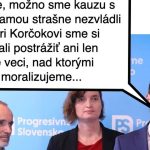
Opposition voices, particularly from the Hnutie Slovensko, are echoing a sentiment of frustration and disbelief. Michal Šipoš, a prominent figure within the party, has passionately criticized the state’s failure to adopt more effective taxation models, like those of Austria or Poland, which could potentially add a whopping 300 million euros to the national budget annually. It is astonishing to consider that such glaring opportunities for revenue enhancement are being blatantly ignored while Slovak citizens bear the brunt of rising costs and dwindling subsidies.
Čo to znamená pre budúcnosť Slovenska?
With the government’s latest decision, the financial windfall that was supposed to stabilize public finances has turned into a tax incentive for the gambling industry. As large corporations in the gambling sector benefit from reduced fees, the common citizen is left to wonder where their tax money has disappeared. Why should a state, entrusted with safeguarding public interests, allow private companies to profit off the miseries of gambling addicts—many of whom have lost substantial sums, amounting to 1.5 billion euros last year alone?
Július Jakab, another vocal member of the opposition, emphasizes the urgency of addressing these systemic issues. The facts are glaring: while citizens suffer under the weight of financial burdens, the rich get richer at their expense. The question arises—will the current administration rise to this challenge, or will it continue to let vested interests dictate policy, ultimately sacrificing the well-being of its people?
Ako sa s tým vyrovnať?
Slovensko čelí kritickému bodu. Ako sa majú občania postaviť k tomuto bombardovaniu zložitých otázok? Súkromné spoločnosti a ich lobisti predkladajú nejasnú agendu, zatiaľ čo občania sú bezbranní voči tlakovej mašinérii, ktorá je naozaj skvelá v presadzovaní svojich vlastných záujmov. To, čo je potrebné, je nielen kritika, ale aj plán pre zmenu—avšak kde je vôľa politici naozaj brané do zodpovednosti, zrejme im ide len o osobný zisk.
Následky týchto rozhodnutí a nedostatočne vykonávaných legislatívnych zmien sa nemusí ukázať okamžite, no postupne sa prejavia v rozpočtových trhlinách, ktoré na Slovensku nikto nemôže ignorovať. Debata o tom, aký vplyv bude mať táto politika na verejné financie, bude silne rezonovať v nasledujúcich mesiacoch, a úspech tejto stratégie by mohol znamenať veľmi rozdielny obrázok slovenského hospodárstva a spoločnosti.
Kde máme hľadať racionálne východisko?
Racionalizácia odvodov, prehľadnosť v správe daní a najmä hodnota zodpovedného hrania. Slovenská politika je známa svojím chaosom a nezmyselnými rozhodnutiami, no či bude súčasná situácia katalyzátorom pre zmenu, ukáže až čas. Dúfajme, že sa predsa len nájde niekto, kto zodvihne svoj hlas a postaví sa proti tomuto zjavne nespravodlivému systému. A v tom prípade sa svetlo na Slovensku nemusí zdať len ďaleko.